
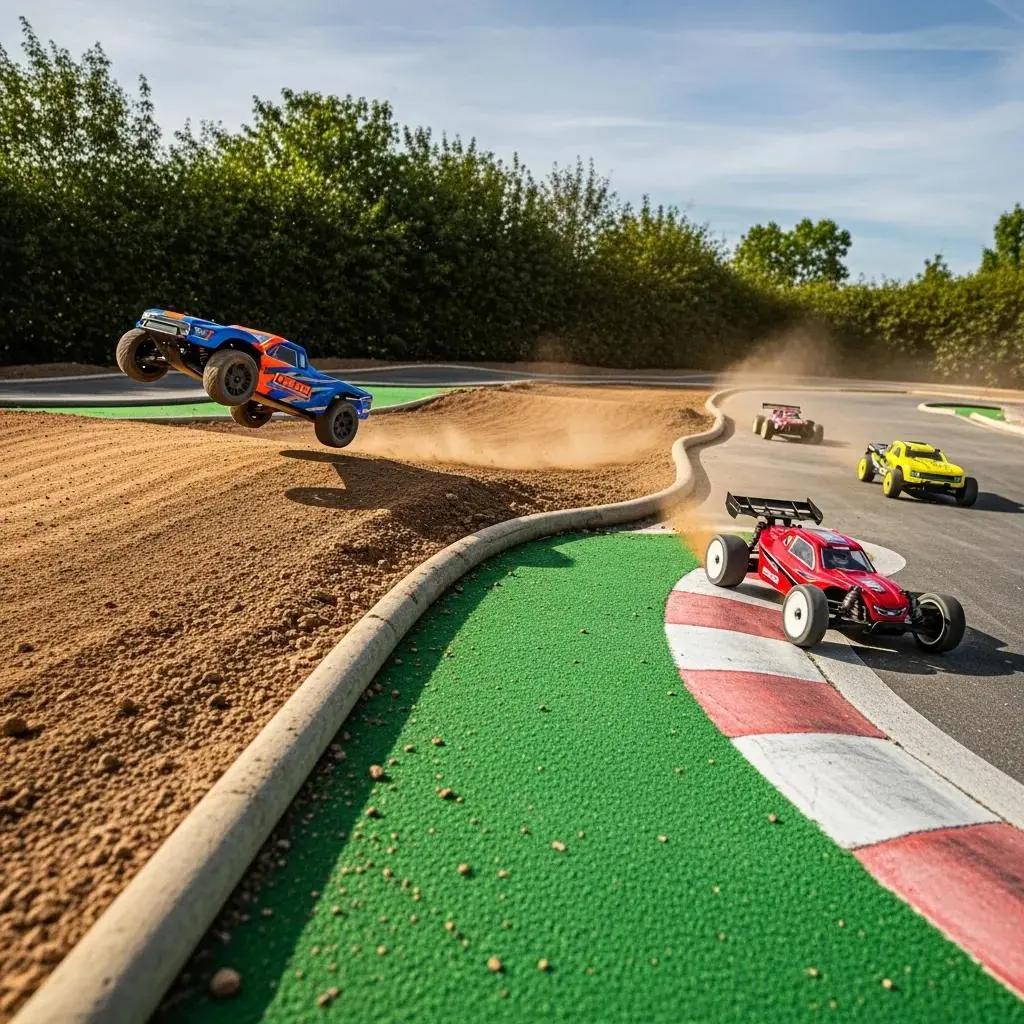
What Makes the Best Off-Road RC Tracks?
What Makes the Best Off-Road RC Tracks? Comprehensive Guide to Design, Materials, and Construction
Creating the best off-road RC tracks involves a careful balance of design, materials, and construction techniques. This comprehensive guide will explore the essential elements that contribute to an optimal off-road RC track experience. Readers will learn about the various materials suitable for track surfaces, effective design principles, and construction techniques that ensure durability. Many enthusiasts struggle with creating tracks that provide both excitement and safety for drivers. By understanding the key components of track design and maintenance, you can create a thrilling environment that enhances the racing experience. This article will cover the best materials for track surfaces, optimal design layouts, essential construction techniques, step-by-step backyard track building, maintenance practices, and the influence of track design on community engagement.
Which Materials Are Best for Off-Road RC Track Surfaces?
The choice of materials for off-road RC track surfaces significantly impacts performance and maintenance. Various materials, including dirt, clay, and AstroTurf, offer unique characteristics that affect traction, durability, and user experience. Understanding these differences is crucial for selecting the right surface for your track.
How Do Dirt, Clay, and AstroTurf Compare for RC Track Performance?
- Dirt: Offers good traction and is often the most cost-effective option. However, it requires regular maintenance to prevent erosion and maintain surface quality.
- Clay: Provides a smooth surface that can be shaped into features like jumps and berms. It retains moisture well, which can enhance traction but may become slippery when overly wet.
- AstroTurf: A synthetic option that offers consistent performance and minimal maintenance. It provides good traction and durability but can be more expensive to install.
These materials cater to different preferences and track designs, making it essential to consider the specific needs of your RC racing environment.
What Maintenance Does Each RC Track Surface Require?
Maintaining the surface of your RC track is vital for ensuring optimal performance and longevity.
- Dirt: Requires regular grooming to maintain a smooth surface and prevent ruts. Erosion control measures, such as adding barriers or vegetation, can help preserve the track.
- Clay: Needs periodic watering to keep it compact and prevent cracking. Regular reshaping of jumps and turns is also necessary to maintain the desired features.
- AstroTurf: Minimal maintenance is required, but periodic cleaning to remove debris and ensure proper drainage is essential for maintaining performance.
Understanding the maintenance requirements of each surface type will help you choose the best option for your track.
How Do You Design an Optimal Off-Road RC Track Layout?
Designing an effective off-road RC track layout involves several key principles that enhance both flow and driver challenge. A well-thought-out design can significantly improve the racing experience and encourage skill development among drivers.
What Are Key Design Principles for Flow and Driver Challenge?
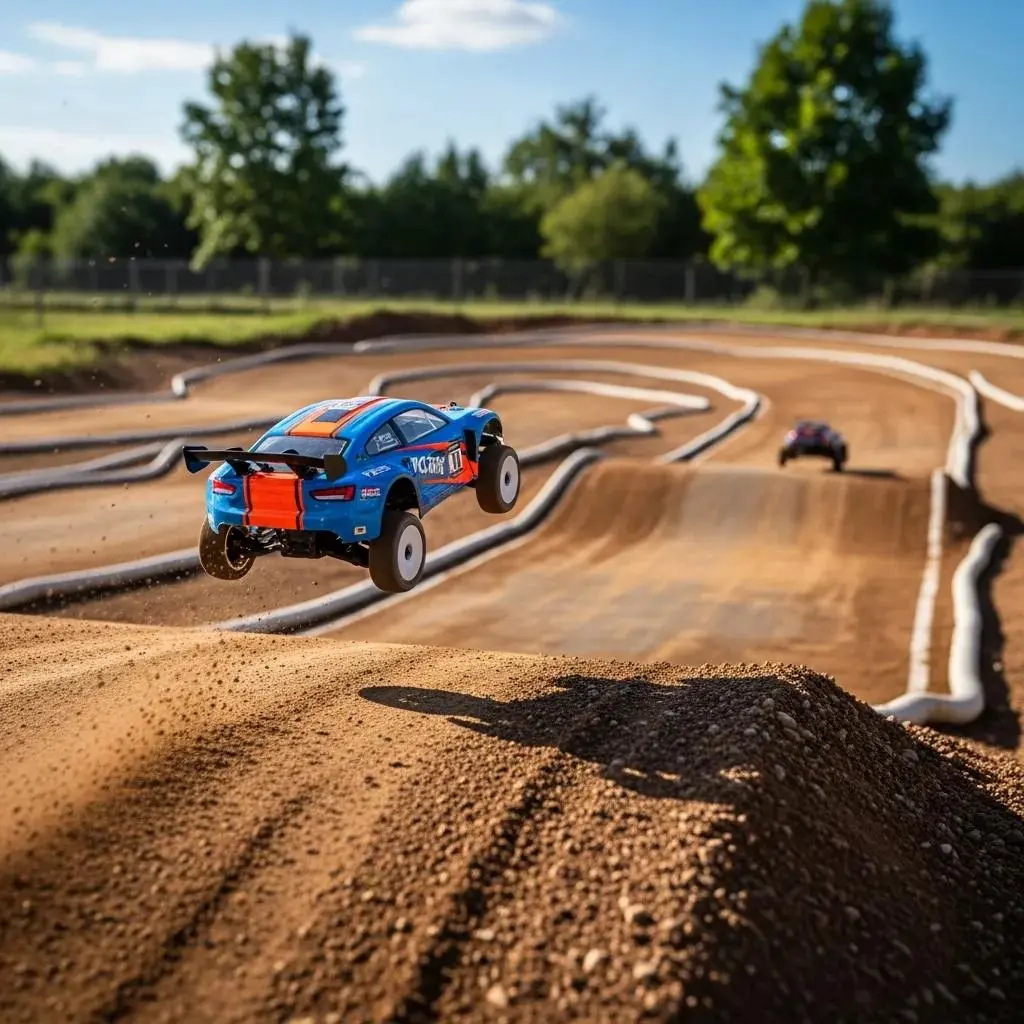
- Flow: The track should allow for smooth transitions between sections, enabling drivers to maintain speed and momentum.
- Challenge: Incorporating a variety of features, such as jumps, turns, and elevation changes, keeps the racing experience exciting and tests driver skills.
- Safety: Ensuring that the track design minimizes hazards and provides safe areas for drivers to recover from mistakes is crucial for a positive racing environment.
How Should Jumps, Berms, and Turns Be Incorporated?
Incorporating jumps, berms, and turns into your track design requires careful planning to enhance the racing experience.
- Jumps: Should be designed with appropriate angles and heights to ensure safe landings. Consider the speed at which vehicles will approach the jump to determine its dimensions.
- Berms: Help maintain speed through turns and can be shaped to encourage different racing lines. Properly designed berms can enhance the flow of the track.
- Turns: Varying the types of turns, such as sharp corners and sweeping bends, adds complexity to the track and challenges drivers to adapt their racing strategies.
A well-designed track will incorporate these features in a way that promotes both excitement and safety.
What Are Essential Construction Techniques for Durable RC Dirt Tracks?
Building a durable RC dirt track requires specific construction techniques that ensure longevity and performance. Proper site preparation and material selection are critical to achieving a successful build.
How Is Site Preparation and Drainage Managed Effectively?
- Site Preparation: Clear the area of debris and vegetation, and level the ground to create a stable foundation. Compacting the soil will help prevent settling and erosion.
- Drainage: Implementing proper drainage systems, such as ditches or French drains, will help manage water runoff and prevent flooding on the track. This is particularly important for dirt and clay surfaces.
By focusing on these aspects, you can create a solid foundation for your RC track that withstands the elements.
What Materials and Tools Are Needed for Building Track Features?
When constructing track features, having the right materials and tools is crucial.
- Materials: Common materials include dirt, clay, and sand for shaping jumps and turns. Additional materials like wood or plastic can be used for barriers and signage.
- Tools: Essential tools include shovels, rakes, compactors, and water hoses for shaping and maintaining the track features. A level can also help ensure that jumps and turns are constructed correctly.
Having the right resources on hand will streamline the construction process and enhance the quality of your track.
How Can You Build a Backyard Off-Road RC Track Step-by-Step?
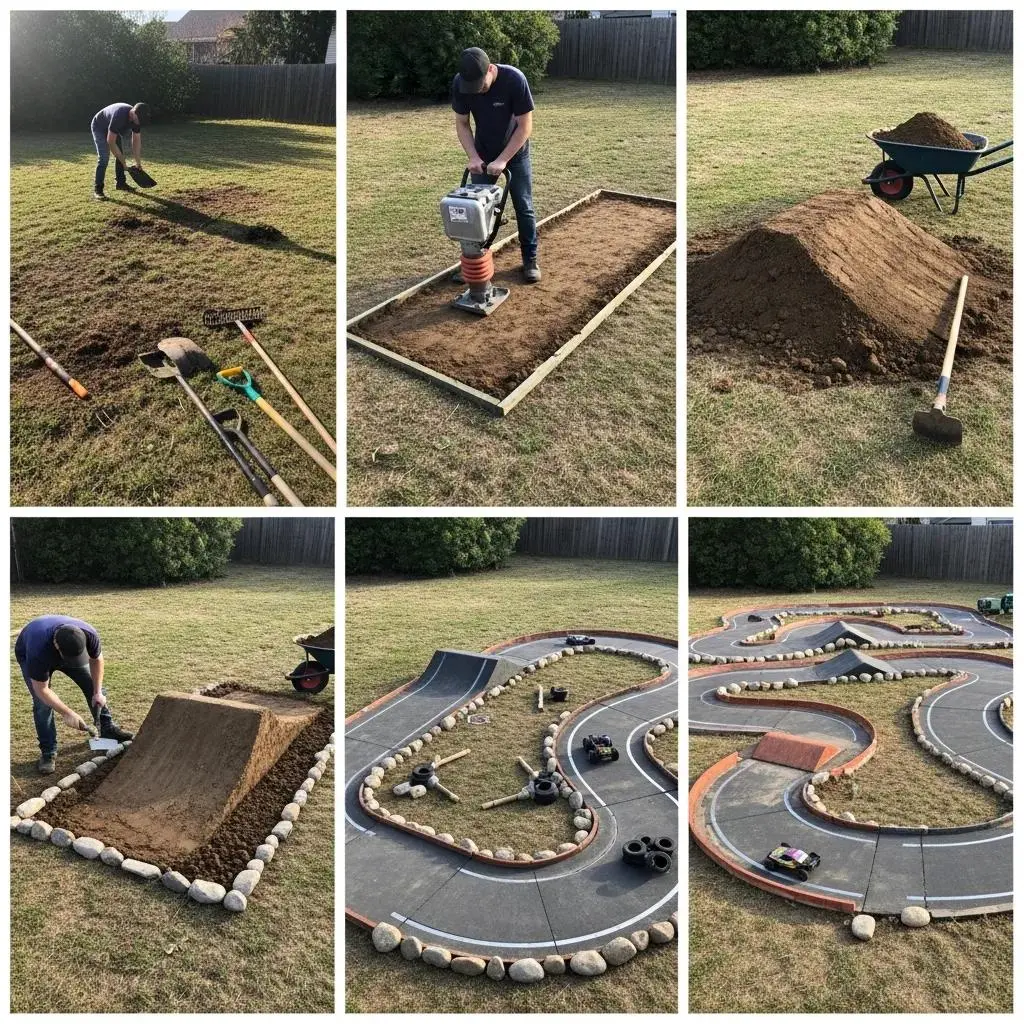
Building a backyard off-road RC track can be a rewarding project that provides endless fun. Following a step-by-step approach will help ensure a successful build.
What Are Practical Tips for Layout Planning and Obstacle Creation?
When planning your track layout, consider the following tips:
- Start Small: Begin with a simple layout and gradually add features as you gain experience.
- Use Natural Terrain: Incorporate existing hills and dips to create a more dynamic track without excessive excavation.
- Create Obstacles: Design features like jumps and turns that challenge drivers while ensuring they are safe and manageable.
These practical tips will help you create an engaging and enjoyable track for all skill levels.
How Do You Optimize Track Scale and Safety for Home Use?
Optimizing track scale and safety is essential for backyard tracks.
- Track Size: Ensure the track is appropriately sized for the available space and the types of RC vehicles being used. A smaller track may be more suitable for beginners, while larger tracks can accommodate advanced drivers.
- Safety Features: Incorporate safety barriers and clear boundaries to prevent vehicles from leaving the track area. Additionally, consider the placement of obstacles to minimize the risk of accidents.
By focusing on scale and safety, you can create a backyard track that is both fun and secure.
What Maintenance Practices Ensure Longevity of Off-Road RC Tracks?
Regular maintenance is crucial for ensuring the longevity of off-road RC tracks. Implementing effective practices will help keep your track in top condition.
How Often Should Track Grooming and Erosion Control Be Performed?
Track grooming and erosion control should be performed regularly to maintain surface quality.
- Grooming Frequency: Depending on usage, tracks should be groomed every few weeks or after heavy rain to restore the surface and prevent ruts.
- Erosion Control: Implement erosion control measures, such as planting grass or using barriers, to protect the track from water damage.
Establishing a maintenance schedule will help prolong the life of your track and enhance the racing experience.
What Are Best Methods for Maintaining Jumps and Berms?
Maintaining jumps and berms is essential for ensuring safety and performance.
- Inspection Routines: Regularly inspect jumps and berms for signs of wear or damage. Address any issues promptly to prevent accidents.
- Repair Techniques: Use additional dirt or clay to reshape and reinforce jumps and berms as needed. Proper maintenance will help preserve their integrity and functionality.
By focusing on these maintenance practices, you can ensure that your track remains safe and enjoyable for all users.
How Does RC Track Design Influence Racing Experience and Community Engagement?
The design of an RC track plays a significant role in shaping the racing experience and fostering community engagement. A well-designed track can enhance skill development and encourage participation.
What Role Do Track Features Play in Skill Development?
Track features are instrumental in promoting skill development among drivers.
- Variety of Challenges: Incorporating different types of jumps, turns, and obstacles helps drivers improve their handling and racing techniques.
- Encouraging Practice: A well-designed track motivates drivers to practice and refine their skills, leading to improved performance over time.
By focusing on skill development, track design can create a more engaging and rewarding racing experience.
How Can Track Design Foster RC Racing Etiquette and Club Participation?
Effective track design can also promote etiquette and encourage club participation.
- Community Spaces: Designing areas for spectators and social interaction fosters a sense of community among racers and their families.
- Organized Events: Hosting races and events on well-designed tracks can attract more participants and encourage club membership, enhancing the overall racing culture.
By considering these aspects, track design can significantly influence community engagement and the overall racing experience.
In Stock
£1,569.99

Out of Stock
£749.99
Out of Stock
£599.99
Out of Stock
£679.99
Just a few left
£679.99