
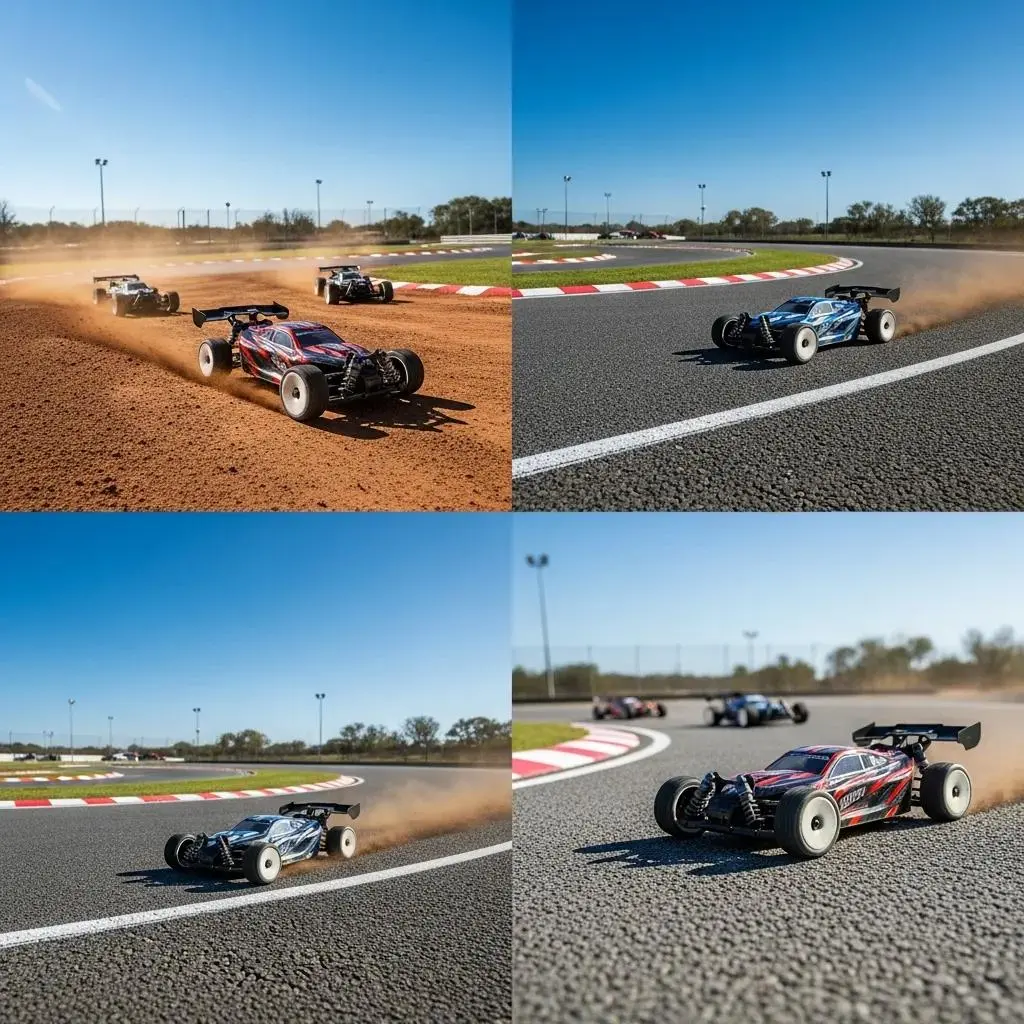
What Are the Best Surfaces for RC Tracks?
What Are the Best Surfaces for RC Tracks? A Comprehensive Guide to RC Track Materials and Types
Choosing the right surface for RC tracks is crucial for optimizing performance and ensuring an enjoyable racing experience. This comprehensive guide will explore the various surfaces available for RC tracks, their characteristics, and the factors influencing their selection. Readers will learn about the best surfaces for both indoor and outdoor environments, as well as the specific needs of different types of RC cars. Many enthusiasts struggle with surface selection, which can significantly impact traction, durability, and overall racing performance. By understanding the properties of various materials, you can make informed decisions that enhance your racing experience. This article will cover the factors influencing surface choice, characteristics of popular indoor and outdoor surfaces, optimal surfaces for drifting, DIY track construction, and a comparison of costs and maintenance.
Which Factors Influence the Choice of RC Track Surfaces?
The choice of surface for RC tracks is influenced by several key factors, including the type of RC car, the environment (indoor vs. outdoor), and the specific requirements for traction and durability. Understanding these factors is essential for selecting the most suitable surface for your racing needs.
How Do RC Car Types Affect Surface Selection?
Different types of RC cars have unique requirements that influence surface selection. For instance, on-road cars typically perform best on smooth surfaces like asphalt or polished concrete, which provide high traction and speed. In contrast, off-road vehicles require more rugged surfaces, such as dirt or clay, to accommodate their larger tires and suspension systems. Drift cars, on the other hand, benefit from low-friction surfaces that allow for controlled sliding, making materials like polished concrete or specialized drift track surfaces ideal choices.
What Are the Differences Between Indoor and Outdoor RC Track Environments?
Indoor and outdoor environments present distinct challenges that affect surface choice. Outdoor tracks are subject to weather conditions, which can lead to surface wear and require more maintenance. For example, dirt tracks may become muddy after rain, while asphalt can heat up and soften in direct sunlight, though this is more common with certain types of asphalt mixes. Indoor tracks, however, offer more controlled conditions, allowing for surfaces like carpet or foam mats that provide consistent traction and performance. Understanding these environmental factors is crucial for maintaining optimal track conditions.
What Are the Characteristics and Benefits of Popular Indoor RC Track Surfaces?
Indoor RC track surfaces vary widely, each offering unique characteristics and benefits that cater to different racing styles and preferences.
How Does Carpet Perform as an Indoor RC Track Surface?
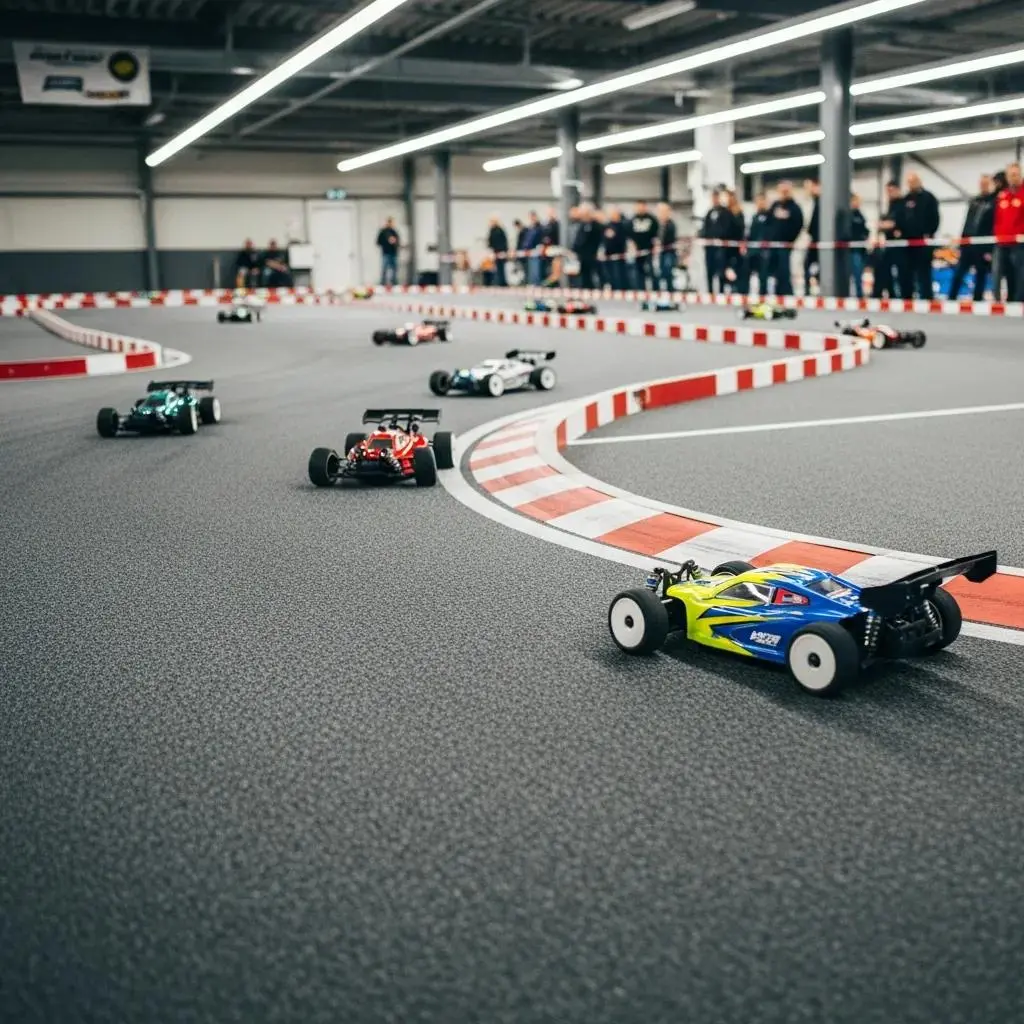
Carpet is a popular choice for indoor RC tracks due to its excellent grip and smooth surface. It provides consistent traction, which is essential for high-speed racing. Additionally, carpet surfaces are relatively easy to maintain and can be cleaned with a vacuum, making them a practical option for indoor environments. However, they may require periodic replacement due to wear and tear from tire friction.
Why Choose Polished Concrete or Foam Mats for Indoor RC Tracks?
Polished concrete and foam mats are also excellent choices for indoor tracks. Polished concrete offers durability and a smooth surface that allows for high-speed racing, while foam mats provide a softer landing for jumps and reduce the risk of damage to vehicles. Both surfaces are easy to maintain and can be customized to fit various track layouts, making them versatile options for indoor racing enthusiasts.
What Are the Best Outdoor RC Track Surfaces and Their Properties?
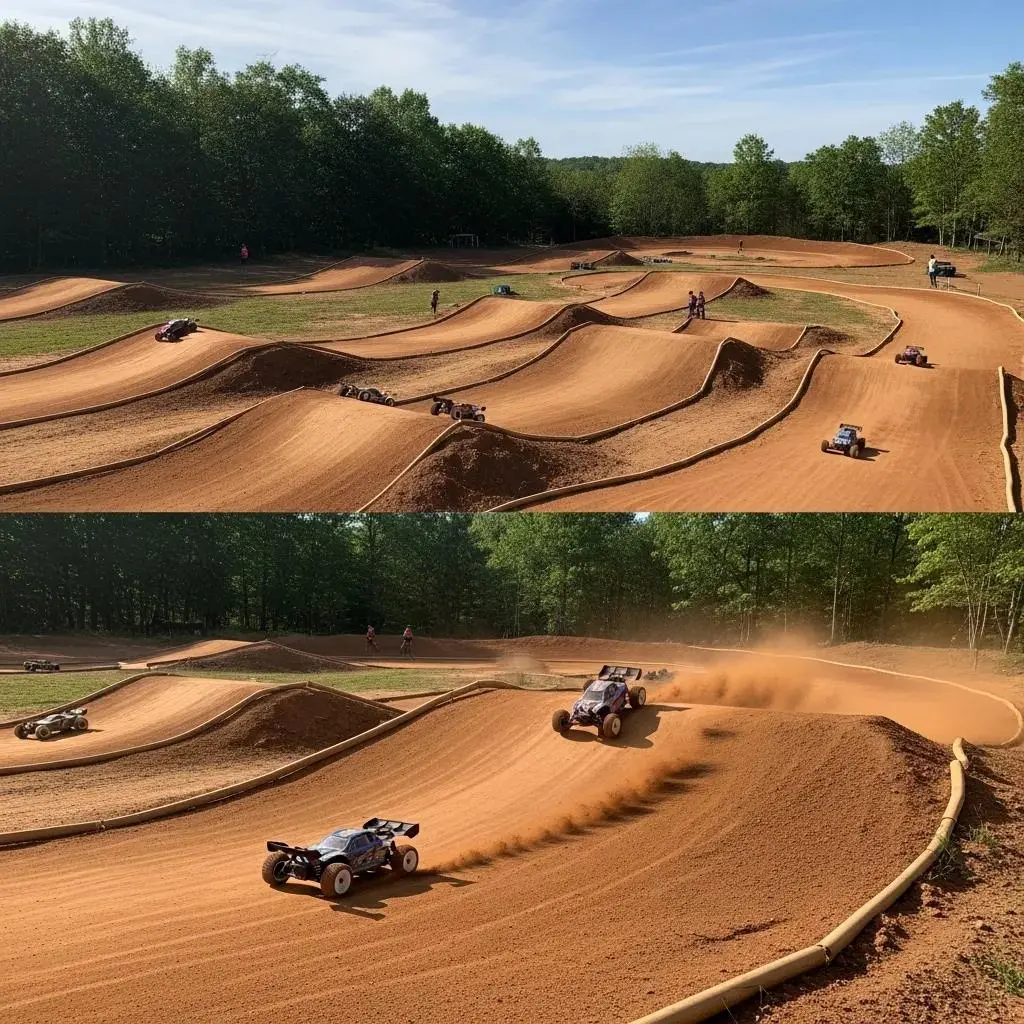
Outdoor RC tracks require surfaces that can withstand various weather conditions while providing the necessary traction for racing.
How Do Dirt and Clay Surfaces Compare for Outdoor RC Tracks?
Dirt and clay are two of the most common surfaces for outdoor RC tracks. Dirt tracks offer excellent traction and can be shaped to create jumps and obstacles, enhancing the racing experience. However, they require regular maintenance to prevent erosion and maintain optimal conditions. Clay surfaces, on the other hand, provide a more consistent racing experience and can be packed down to create a smooth surface. They tend to hold moisture better, reducing dust and improving traction, but may require more effort to maintain.
What Are the Advantages of Asphalt and Artificial Turf for Outdoor RC Tracks?
Asphalt and artificial turf are also popular choices for outdoor RC tracks. Asphalt provides a smooth, durable surface that allows for high-speed racing and minimal maintenance. It is resistant to weather conditions and can be repaired if damaged. Artificial turf, while less common, offers a unique racing experience with its soft surface that mimics grass. It provides good traction and is less prone to wear compared to dirt or clay, making it a viable option for outdoor tracks.
Which Surfaces Are Optimal for RC Drift Tracks?
Drifting requires specific surface characteristics to enhance performance and control during races.
What Materials Provide the Best Low-Friction Surfaces for RC Drifting?
For RC drifting, low-friction surfaces are essential to allow for controlled slides. Materials such as polished concrete or specialized drift track surfaces are ideal, as they provide the necessary slickness for drifting while still offering some grip for acceleration. These surfaces enable drivers to maintain control during high-speed maneuvers, enhancing the overall drifting experience.
How Do Surface Choices Affect RC Drift Performance and Tire Wear?
The choice of surface significantly impacts drift performance and tire wear. Low-friction surfaces can lead to increased tire longevity, as they reduce the amount of friction generated during slides. However, surfaces that are too slick may hinder control, making it difficult for drivers to execute precise maneuvers. Finding the right balance between grip and slip is crucial for optimizing drift performance.
How Can You Build and Maintain Your Own RC Track Surface?
Building and maintaining your own RC track surface can be a rewarding project that enhances your racing experience.
What Are the Step-by-Step DIY Methods for Constructing Popular RC Track Surfaces?
Constructing an RC track surface involves several steps, including selecting the right materials, preparing the ground, and laying the surface. For a dirt track, start by clearing the area and shaping the terrain to create jumps and turns. Once the layout is established, compact the dirt and add moisture to improve traction. For a carpet track, ensure the surface is flat and secure, using adhesive if necessary to prevent movement during races.
What Maintenance Practices Ensure Longevity and Performance of RC Track Surfaces?
Regular maintenance is essential for ensuring the longevity and performance of RC track surfaces. For dirt tracks, this includes periodic raking and watering to maintain traction and prevent erosion. Asphalt surfaces may require sealing to protect against weather damage, while carpet tracks should be vacuumed regularly to remove debris. Establishing a maintenance schedule will help keep your track in optimal condition for racing.
How Do RC Track Surfaces Compare in Cost, Durability, and Maintenance?
When selecting an RC track surface, it’s important to consider the cost, durability, and maintenance requirements of each option.
What Are the Cost Ranges and Budget Considerations for Different RC Track Materials?
The cost of RC track surfaces can vary significantly based on the material chosen. Dirt tracks are generally the most affordable option, requiring minimal investment in materials. Asphalt surfaces can be more expensive due to installation costs, while specialized materials like foam mats or artificial turf may require a higher initial investment but offer long-term durability and lower maintenance costs.
How Do Durability and Maintenance Effort Vary Among RC Track Surface Types?
Durability and maintenance efforts vary widely among different RC track surfaces. Dirt tracks require regular upkeep to maintain optimal conditions, while asphalt surfaces are more durable and require less frequent maintenance. Carpet and foam mats offer a balance of durability and ease of maintenance, making them popular choices for indoor tracks. Understanding these factors will help you choose the best surface for your needs and budget.
| Surface Type | Cost Range | Durability | Maintenance Effort |
|---|---|---|---|
| Dirt | Low | Moderate | High |
| Asphalt | Medium to High | High | Low |
| Carpet | Medium | Moderate | Medium |
| Foam Mats | Medium | Moderate to High | Low |
| Artificial Turf | High | High | Low |
Just a few left
£1,149.00
Just a few left
£1,149.00
Just a few left
£1,149.00
Just a few left
£769.90
Just a few left
£769.90
Just a few left
£769.90