
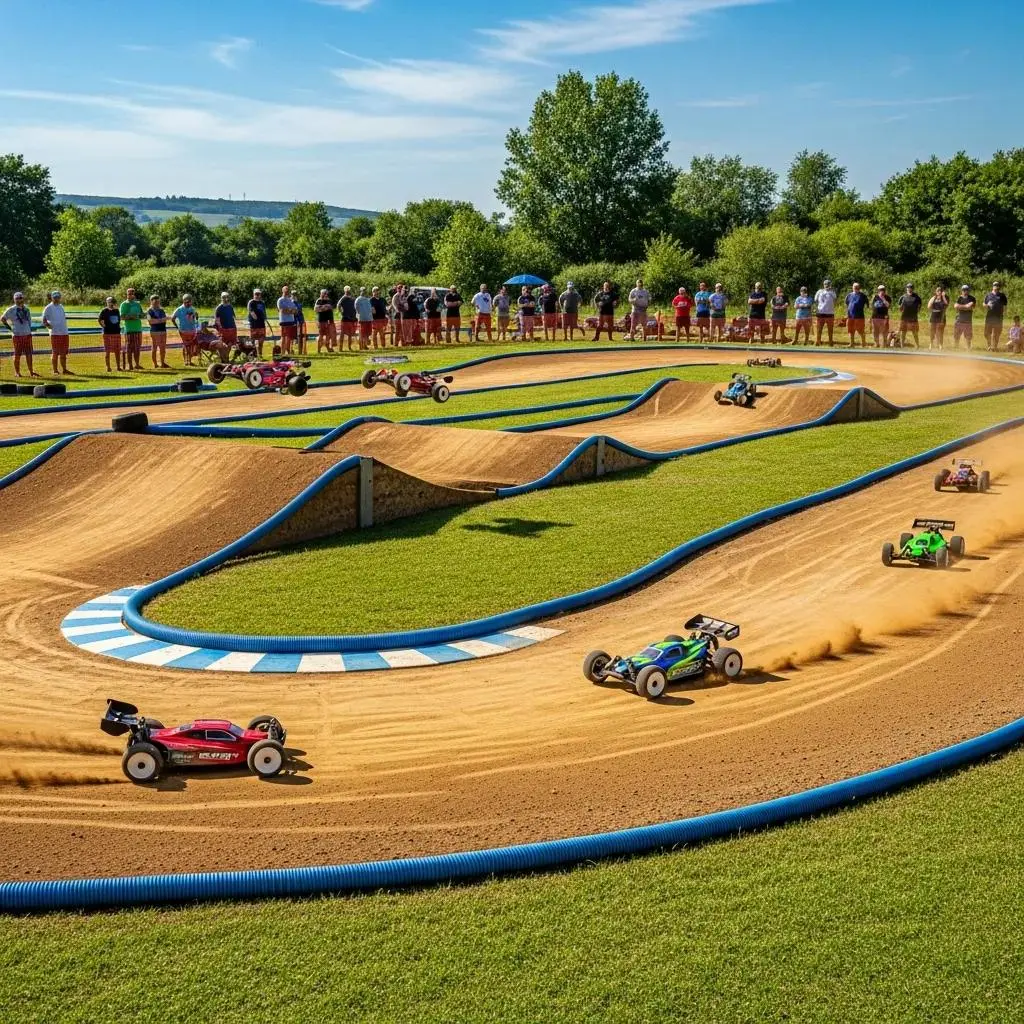
Understanding Electric RC Track Designs for Better Racing
Comprehensive RC Track Design Guide: Mastering Electric RC Track Layouts for Better Racing Performance
Designing an electric RC track is a thrilling endeavor that combines creativity, engineering, and a deep understanding of racing dynamics. This comprehensive guide will explore the essential elements of electric RC track designs, helping enthusiasts create layouts that enhance racing performance. Readers will learn about the critical factors in planning, layout ideas, construction techniques, and optimization strategies that contribute to a successful racing experience. Many hobbyists struggle with creating tracks that balance challenge and enjoyment, but with the right knowledge, anyone can build a track that meets their needs. This article will cover planning considerations, essential design principles, construction methods, optimization features, advanced concepts, and maintenance tips to ensure your electric RC track remains in top condition.
How Do You Plan an Effective Electric RC Track for Optimal Racing?
Planning an effective electric RC track involves several key considerations that ensure both functionality and enjoyment. The process begins with site selection, which includes evaluating accessibility, space requirements, and environmental factors. Additionally, budgeting for construction is crucial, as it determines the materials and features that can be included in the design. Understanding the scale of the track and its environment also plays a significant role in the planning phase, as these elements influence the overall design and racing experience.
What Are the Key Factors in Site Selection and Budgeting for RC Tracks?
- Location Accessibility: Ensure the site is easily reachable for participants and spectators.
- Cost Considerations: Budget for land rental or acquisition, materials, and ongoing maintenance.
- Space Requirements: Assess the available area to accommodate the desired track layout and features.
These factors collectively influence the feasibility and success of the track project.
How Does Scale and Environment Influence Electric RC Track Planning?
- Indoor vs Outdoor Considerations: Indoor tracks may require different materials and features compared to outdoor tracks, which must withstand weather conditions.
- Scale Impact on Design: The size of the RC cars dictates the dimensions of the track, including turns and straightaways.
- Environmental Challenges: Factors such as terrain, vegetation, and weather conditions must be accounted for to ensure a durable and enjoyable track.
Understanding these elements helps create a well-planned electric RC track that meets the needs of racers.
What Are Essential Electric RC Track Layout Ideas and Design Principles?
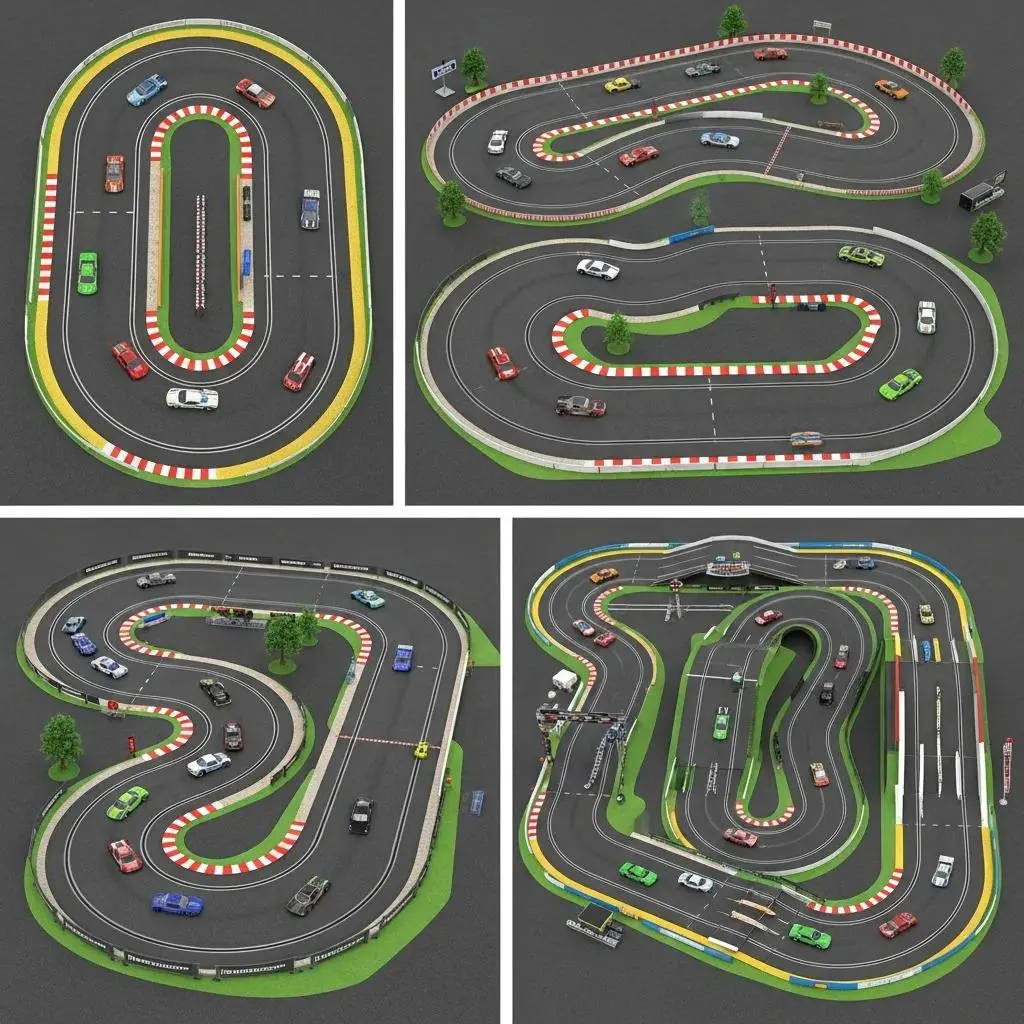
Creating an effective electric RC track layout involves understanding design principles that enhance racing flow and challenge. Various layout ideas can be implemented to cater to different skill levels and racing styles. The design should promote smooth transitions between sections while providing opportunities for overtaking and strategic racing.
Which Common Track Layouts Enhance Racing Flow and Challenge?
- Oval Layouts: Simple and effective for beginners, allowing for high-speed racing.
- Figure-8 Layouts: Introduce intersections that create opportunities for overtaking but require careful design to avoid collisions.
- Technical Layouts: Incorporate sharp turns and elevation changes to challenge experienced racers.
These layouts can be adapted to fit the available space and desired racing experience.
How Do Racing Lines, Apexes, and Sight Lines Improve Track Performance?
- Defining Racing Lines: Establishing optimal paths for cars to minimize lap times.
- Apex Positioning: Strategically placing apexes to facilitate smooth cornering and acceleration.
- Sight Line Considerations: Ensuring visibility for drivers to anticipate turns and obstacles.
Incorporating these elements into the design can significantly enhance the racing experience.
How Do You Build a Durable and Functional Electric RC Track?
Building a durable and functional electric RC track requires careful selection of materials and construction techniques. The right combination of materials can enhance the track’s longevity and performance, while proper construction methods ensure a stable and safe racing environment.
What Materials and Construction Techniques Are Best for RC Tracks?
- Material Types: Options include dirt, clay, and carpet, each offering unique benefits and challenges.
- Construction Methods: Techniques such as compacting soil or laying down carpet can affect the track’s surface and durability.
- Durability Considerations: Selecting materials that withstand wear and weather conditions is essential for long-term use.
These factors contribute to a track that can endure the rigors of racing while providing an enjoyable experience.
Which Tools and Equipment Facilitate Efficient DIY RC Track Construction?
- Basic Tools Needed: Shovels, rakes, and compactors for shaping the track surface.
- Specialized Equipment: Tools like track layout software can assist in planning and visualizing the design.
- DIY Tips: Utilizing local resources and materials can reduce costs and enhance creativity.
Having the right tools ensures a smoother construction process and a better final product.
How Can You Optimize Electric RC Track Features for Better Racing?
Optimizing track features is crucial for enhancing racing performance and enjoyment. Key design considerations can significantly impact how cars handle various elements of the track, such as jumps, berms, and corners.
What Are the Design Considerations for Jumps, Berms, and Corners?
- Jump Design Principles: Ensure jumps are appropriately sized and shaped for the scale and speed of the RC cars to prevent damage and promote smooth landings.
- Berm Construction: Create berms that allow for high-speed cornering while providing a safety buffer for drivers.
- Cornering Techniques: Design corners that encourage strategic racing and overtaking opportunities.
These features can enhance the excitement and challenge of racing on the track.
How Do Track Features Affect Electric RC Car Performance and Handling?
- Impact on Speed and Handling: Well-designed features can improve lap times and driver confidence.
- Feature Adjustments for Performance: Modifying track elements can help accommodate different racing styles and skill levels.
- Testing and Optimization: Regular testing of track features allows for adjustments that enhance overall performance.
Understanding these dynamics helps create a track that maximizes racing potential.
What Advanced Electric RC Track Design Concepts Enhance Competitive Racing?
Advanced design concepts can elevate the racing experience, making tracks more competitive and engaging. Incorporating innovative features can challenge racers and enhance their skills.
How Do Rhythm Sections and Elevation Changes Influence Racing Strategy?
- Defining Rhythm Sections: These sections require precise timing and control, adding complexity to the race.
- Elevation Change Strategies: Incorporating hills and valleys can affect speed and handling, requiring racers to adapt their techniques.
- Impact on Lap Times: Well-designed elevation changes can create opportunities for faster lap times and strategic overtaking.
These elements contribute to a dynamic racing environment that tests drivers’ skills.
What Are the Benefits of Multi-Surface Tracks and Technical Layouts?
- Surface Interaction with Tires: Different surfaces can affect traction and handling, providing a varied racing experience.
- Technical Layout Advantages: Complex layouts challenge drivers to master their vehicles and improve their skills.
- Variety in Racing Experience: Incorporating diverse elements keeps racing exciting and engaging for participants.
These design concepts can enhance the overall appeal of the track.
How Do You Maintain and Extend the Life of Your Electric RC Track?
Proper maintenance is essential for extending the life of an electric RC track. Regular upkeep ensures that the track remains safe and enjoyable for all users.
What Are Best Practices for Maintaining Different Track Surfaces?
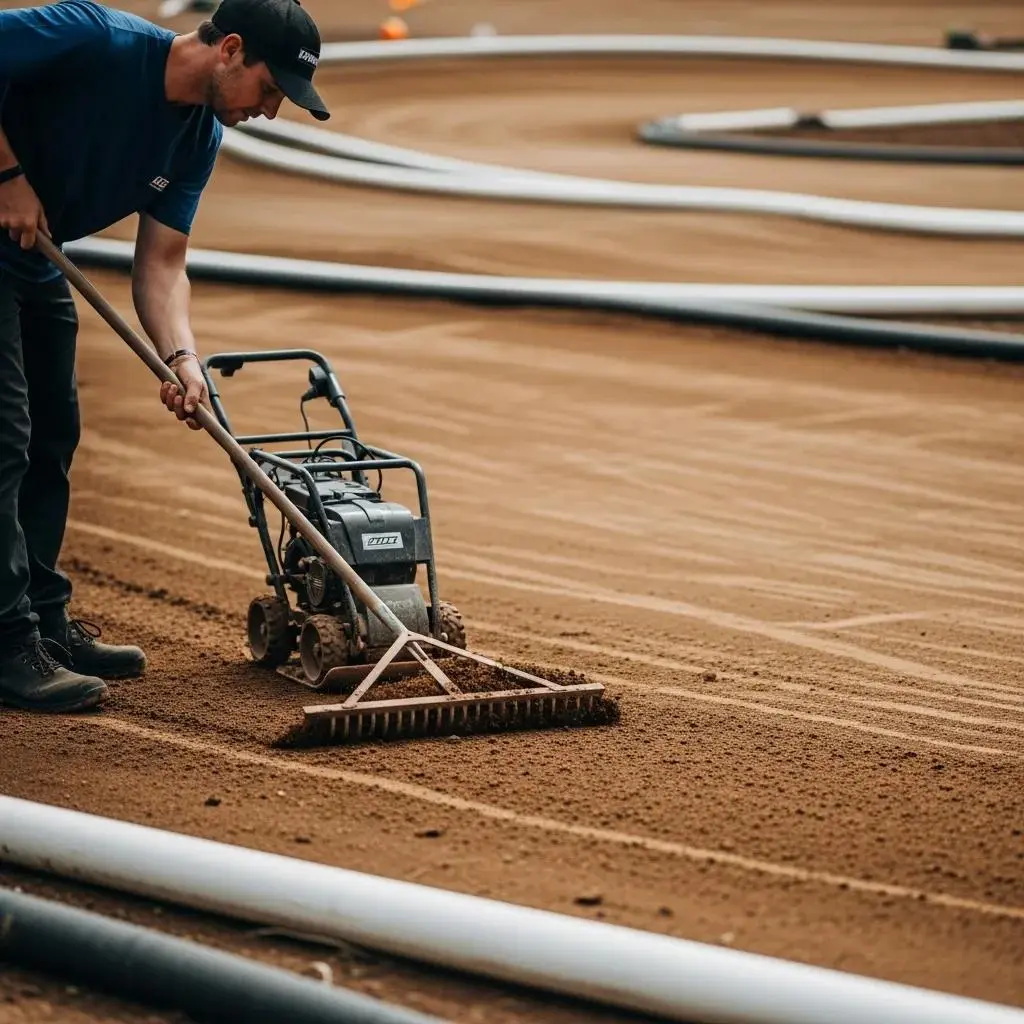
- Surface-Specific Maintenance: Each material type has unique maintenance needs, such as watering dirt tracks or vacuuming carpet tracks.
- Frequency of Upkeep: Establishing a regular maintenance schedule helps prevent deterioration and ensures optimal racing conditions.
- Tools for Maintenance: Utilizing the right tools, such as rakes and compactors, can simplify the maintenance process.
Implementing these practices helps keep the track in excellent condition.
How Can Regular Feature Repair and Upkeep Improve Racing Consistency?
- Impact of Repairs on Racing: Addressing wear and tear ensures that the track remains safe and functional for all users.
- Consistency in Performance: A well-maintained track provides predictable handling and performance for racers.
- Long-Term Benefits of Upkeep: Investing in regular maintenance can extend the life of the track and enhance the overall racing experience.
By prioritizing maintenance, track owners can ensure a high-quality racing environment for years to come.
Just a few left
£359.99

Just a few left
£359.95 Original price was: £359.95.£349.99Current price is: £349.99.

In Stock
£164.99 Original price was: £164.99.£139.99Current price is: £139.99.
In Stock
£179.99 Original price was: £179.99.£159.99Current price is: £159.99.
In Stock
£179.99 Original price was: £179.99.£159.99Current price is: £159.99.
In Stock
£159.99 Original price was: £159.99.£149.99Current price is: £149.99.